

Running a WooCommerce store in 2025 feels like hosting a party where everyone’s invited, but getting them to actually show up and stick around? That’s where things get interesting. You’ve set up your store, uploaded products, and maybe even made a few sales. But if you’re looking to turn your online shop into something that consistently brings in revenue, you need marketing strategies that work beyond just crossing your fingers and hoping for the best.
The truth is, having a beautiful store means nothing if nobody knows it exists. That’s what makes WooCommerce marketing both challenging and exciting. You’re competing with millions of other online stores, but you also have access to tools and strategies that can genuinely level the playing field. Whether you’re selling handmade jewelry, digital courses, or vintage sneakers, the right marketing approach can transform your store from “just another website” into a destination people actively seek out.
Understanding Your WooCommerce Marketing Foundation
Before diving into specific tactics, you need to understand what makes WooCommerce marketing different from traditional e-commerce marketing. WooCommerce gives you flexibility that platforms like Shopify or BigCommerce don’t always offer, but that freedom also means you need to be more intentional about your marketing setup.
Your marketing success starts with proper tracking. Install Google Analytics 4 and set up enhanced e-commerce tracking. This isn’t just technical busywork; it’s how you’ll understand which marketing channels actually drive sales versus which ones just eat your budget. Connect your store to Google Search Console too, because organic traffic from Google can become your most valuable (and free) traffic source over time.
Email marketing integration should be your next priority. Tools like Mailchimp, Klaviyo, or even the free WooCommerce built-in email features need configuration from day one. Every visitor who lands on your store is a potential subscriber, and every subscriber is someone you can market to without paying for ads. The difference between stores that thrive and stores that struggle often comes down to how well they capture and nurture email addresses.
Creating Content That Actually Sells
Content marketing for WooCommerce isn’t about churning out blog posts nobody reads. It’s about creating resources that answer real questions your potential customers are asking. When someone searches “how to choose the right yoga mat” and finds your detailed guide, they’re not just reading content; they’re beginning a relationship with your brand.
Start by identifying the problems your products solve. If you sell coffee equipment, create content around brewing techniques, bean selection, and maintenance tips. If you’re in fashion, write about styling tips, seasonal trends, and how to care for specific fabrics. The key is making content that would be valuable even if you removed all the product links.
Product descriptions deserve special attention. Too many store owners write descriptions that sound like they copy-pasted from the manufacturer. Your descriptions need personality and specificity. Instead of “high-quality leather wallet,” try describing how the leather develops character over time, how the slim profile fits perfectly in front pockets, or how the card slots are positioned for quick access. People don’t buy features; they buy the feeling of owning something that fits their lifestyle.
Video content is no longer optional. Quick product demos, unboxing videos, or even behind-the-scenes looks at how you source or create products build trust faster than text ever could. You don’t need expensive equipment; decent smartphone footage with good lighting often outperforms overly polished corporate videos because it feels authentic.
Mastering Email Marketing for WooCommerce
Email marketing remains one of the highest ROI channels for e-commerce, but most stores barely scratch the surface of what’s possible. The welcome email series alone can set the tone for your entire customer relationship. When someone subscribes, don’t just send a generic “thanks for signing up” message. Use that moment to tell your story, share your best content, and offer a compelling reason to make that first purchase.
Abandoned cart emails are mandatory. Somewhere between 60-80% of shopping carts get abandoned, but a well-timed email can recover a significant portion of those sales. Your first abandoned cart email should go out within an hour, reminding customers what they left behind. The second email, sent 24 hours later, might include customer reviews or answer common objections. A third email after 48 hours could offer a small discount or free shipping to close the deal.
Segmentation turns good email marketing into great email marketing. Don’t send the same message to everyone. Customers who bought once deserve different emails than those who’ve made ten purchases. People who browsed winter coats should get different recommendations than those looking at summer dresses. WooCommerce tracks all this data; you just need to use it intelligently.
Post-purchase emails extend the relationship beyond the transaction. Send care instructions, styling tips, or complementary product suggestions. Ask for reviews after enough time has passed for them to use the product. These touchpoints keep your brand top-of-mind and dramatically increase the chances of repeat purchases.
Social Media Strategies That Drive Traffic
Social media marketing for WooCommerce requires a different mindset than posting random product photos and hoping for sales. Each platform has its own culture and expectations, and your approach needs to adapt accordingly.
Instagram works beautifully for visually appealing products. But rather than just posting product shots, show your products in action. User-generated content, where customers share photos of themselves using your products, builds social proof while giving you authentic content to reshare. Instagram Stories and Reels offer opportunities to showcase personality and behind-the-scenes moments that make your brand feel human.
Facebook might seem less trendy, but Facebook Groups remain powerful for building communities around your niche. Instead of constantly promoting your products, create value first. If you sell gardening supplies, run a group about growing vegetables. Share tips, answer questions, and become a trusted resource. When people need to buy supplies, they’ll naturally think of you.
Pinterest drives serious purchase intent. People use Pinterest to plan purchases, which means they’re already in a buying mindset. Create pins for your products with clear, vertical images and descriptive text. Write pin descriptions that include relevant keywords and actual value, not just product features. A pin titled “5 Ways to Style This Versatile Scarf” will outperform “Buy Our Scarf” every single time.
TikTok has become surprisingly effective for e-commerce, even for products you wouldn’t expect. The platform rewards creativity and authenticity over production value. Show how your products solve real problems, create entertaining content around your niche, or jump on trends in ways that naturally incorporate what you sell. The algorithm can push your content to millions without requiring a large following first.
SEO Tactics for WooCommerce Success
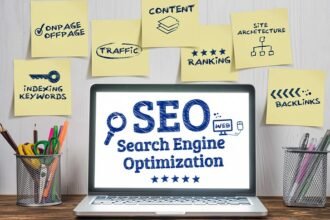
Search engine optimization determines whether your store shows up when people search for what you sell. Product page optimization starts with keyword research. Use tools like Google Keyword Planner or Ubersuggest to find what people actually search for. “Leather messenger bag” might have huge search volume, but “vintage brown leather messenger bag for men” could be a more achievable target with buyers ready to purchase.
Your product titles need optimization without sounding robotic. Include primary keywords naturally while maintaining readability. “Vintage Brown Leather Messenger Bag for Men – Handcrafted Full Grain” works better than “Bag Leather Brown Messenger Vintage.”
Category pages often get neglected, but they’re SEO goldmines. Instead of just listing products, add descriptive text at the top explaining what makes this category valuable. Answer common questions, provide buying guides, and include relevant keywords naturally. This content helps search engines understand what you offer while providing value to visitors.
Site speed affects both SEO rankings and conversion rates. Optimize images by compressing them without losing quality. Use lazy loading so images only load as users scroll. Choose a quality hosting provider that can handle traffic spikes. Every second your site takes to load costs you potential customers.
Technical SEO might sound intimidating, but basics matter immensely. Ensure your site is mobile-responsive since most traffic comes from phones. Create an XML sitemap and submit it to Google Search Console. Fix broken links regularly. Use schema markup to help search engines understand your product data, which can lead to rich snippets in search results showing prices, reviews, and availability.
Leveraging Paid Advertising Effectively
Paid advertising accelerates growth when done strategically. Google Shopping Ads should be your first priority for most product-based stores. These ads show your products directly in search results with images, prices, and your store name. Set up your Google Merchant Center account, create a product feed, and start with a modest budget targeting your best-selling products.
Facebook and Instagram Ads offer precise targeting options. You can reach people based on interests, behaviors, and demographics. Start with retargeting campaigns that show ads to people who’ve already visited your store. These warm audiences convert at much higher rates than cold traffic. Once you’ve optimized those campaigns, expand to lookalike audiences and interest-based targeting.
Your ad creative matters more than your budget. Test different images, headlines, and calls-to-action. Video ads often outperform static images. Carousel ads work well for showcasing multiple products or telling a story. Don’t just say “Buy Now”; give people a compelling reason why they should care about your product specifically.
Budget allocation requires constant attention. Don’t spread your budget too thin across dozens of campaigns. Focus on what works, kill what doesn’t, and scale winners. Start with small daily budgets while you’re testing, then increase spending on campaigns that prove profitable. Track your return on ad spend religiously, and remember that breaking even on the first purchase can be acceptable if you have strong customer lifetime value.
Building Customer Loyalty and Retention
Acquiring a new customer costs five times more than keeping an existing one, yet most stores obsess over acquisition while ignoring retention. Loyalty programs incentivize repeat purchases. Offer points for purchases, reviews, or social shares that customers can redeem for discounts or free products. The psychology of accumulating points encourages customers to return to your store instead of competitors.
Exceptional customer service isn’t just about solving problems; it’s a marketing channel. Respond quickly to inquiries, go above and beyond to make things right when issues occur, and show genuine care for customer satisfaction. Happy customers become brand advocates who refer friends and leave positive reviews that influence future buyers.
Personalization transforms generic shopping experiences into memorable ones. Use WooCommerce data to recommend products based on browsing and purchase history. Send birthday discounts. Acknowledge milestones like their first purchase anniversary. These small touches make customers feel valued rather than just transaction numbers.
Create exclusive experiences for your best customers. Early access to new products, special discounts, or VIP customer groups make people feel special. When customers have a reason to prefer your store beyond just price, you’ve built something sustainable.
Analyzing and Optimizing Your Marketing Performance
Data without action is just numbers. Set up conversion tracking for every marketing channel so you know what’s actually working. Your gut feeling about which campaigns perform best is probably wrong; let the data guide decisions.
A/B testing helps you continuously improve. Test different email subject lines, product page layouts, checkout processes, and ad creatives. Change one variable at a time so you know what caused any performance differences. Small improvements compound over time into significant competitive advantages.
Customer feedback reveals insights analytics can’t. Send post-purchase surveys asking what almost prevented them from buying, what convinced them to complete the purchase, and how you could improve. Read reviews carefully, both positive and negative. Patterns in feedback show you exactly what to emphasize in marketing and what concerns to address.
Regular marketing audits keep you from wasting resources on underperforming channels. Monthly, review which marketing activities drove the most revenue versus which consumed the most time and money. Double down on winners and eliminate or fix losers. Your marketing strategy should evolve constantly based on performance data.
Wrapping Up Your Marketing Strategy
Successful WooCommerce marketing isn’t about doing everything at once. It’s about choosing strategies that fit your products, audience, and resources, then executing them consistently and improving over time. Start with foundational elements like proper tracking, email capture, and basic SEO. Once those are solid, layer in content marketing, social media, and paid advertising based on where your customers actually spend time.
The stores that win long-term are those that focus on building relationships rather than just closing transactions. When you genuinely help people solve problems, provide value beyond your products, and create experiences worth talking about, marketing becomes easier because your customers do it for you.
Your WooCommerce store has potential to reach customers worldwide, but realizing that potential requires intentional, strategic marketing. Take these tips, adapt them to your specific situation, and most importantly, start implementing them today. Every day you wait is a day your competitors are building their audience, ranking higher in search results, and capturing the customers who should be yours.
The beautiful thing about digital marketing is that you can start small, measure results, and scale what works. You don’t need a massive budget or a marketing degree. You just need to understand your customers, communicate value clearly, and stay persistent. Your next breakthrough customer might be just one optimized product page, one viral social post, or one well-crafted email away.