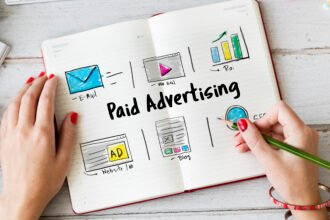


Running a successful hotel campaign isn’t rocket science, but it does require strategy, creativity, and a good understanding of what makes travelers click “book now” instead of “maybe later.” Whether you’re managing a boutique guesthouse or a full-scale resort, getting your campaign right can mean the difference between a packed calendar and empty rooms.
I’ve spent years watching how the hospitality industry evolves, and one thing remains constant: hotels that master their campaigns consistently outperform those that don’t. This guide breaks down everything you need to know about creating hotel campaigns that actually convert.
What Makes a Hotel Campaign Tick?
Before diving into tactics, let’s establish what we mean by a hotel campaign. Simply put, it’s any coordinated marketing effort designed to attract guests and drive bookings. This could be a seasonal promotion, a special package, a flash sale, or a targeted campaign for a specific audience.
The best hotel campaigns share common DNA. They speak directly to a specific type of traveler, offer clear value, and make booking feel urgent without being pushy. Think about the last time you booked a hotel. What made you choose that property? Chances are, something in their messaging clicked with your needs at that exact moment.
Understanding Your Audience Is Non-Negotiable
You can’t sell beach vacations to mountain lovers, and you can’t pitch budget stays to luxury seekers. Obvious, right? Yet countless hotels waste budget on campaigns that miss their target completely.
Start by identifying who actually stays at your property. Are they business travelers who need reliable WiFi and quick check-ins? Families looking for kid-friendly amenities? Couples seeking romance? Young professionals chasing Instagram-worthy experiences?
Once you know your core audience, segment them further. A business traveler booking for a conference has different needs than one extending their trip for leisure. Your campaigns should reflect these nuances.
Data is your friend here. Look at your booking history, review profiles, and analytics. What patterns emerge? When do different demographics book? What features do they mention in reviews? This information becomes the foundation of targeted campaigns that resonate.
Crafting Campaign Messaging That Actually Connects
Generic hotel marketing sounds like white noise. “Comfortable rooms, great service, convenient location” could describe thousands of properties. Your campaign messaging needs personality and specificity.
Focus on transformation, not just features. Instead of “spacious rooms with ocean views,” try “wake up to sunrise over the Pacific.” Rather than “business center available,” consider “nail that presentation with our dedicated work pods and unlimited coffee.”
The language you use matters tremendously. Speaking to young entrepreneurs? Keep it punchy and authentic. Targeting corporate travel managers? Professional and value-focused wins. Families need warmth and reassurance. Match your tone to your audience’s expectations.
Social proof supercharges campaign effectiveness. Real guest quotes, specific accolades, and genuine testimonials build trust faster than any flowery description. When someone reads that another traveler “found the perfect work-life balance here,” it carries more weight than you claiming it.
Seasonal Campaigns: Timing Is Everything
Hotels operate in cycles, and smart campaigns align with these rhythms. Peak season campaigns focus on capturing demand while it’s hot. Off-season campaigns need to create reasons to visit when people aren’t naturally thinking about your destination.
Summer beach campaigns should launch in early spring when people start planning vacations. Winter ski packages need visibility by fall. Holiday promotions require even earlier positioning since many travelers book months in advance.
But don’t just follow the obvious calendar. Look for micro-seasons specific to your market. Is there a local festival, sporting event, or conference season? Build campaigns around these opportunities before your competitors do.
Weather-triggered campaigns can be incredibly effective. When northern cities hit freezing temperatures, promote your warm-weather property. During heat waves, mountain retreats and coastal getaways become appealing. Some hotels now use automated systems that adjust campaign messaging based on weather patterns in target markets.
Digital Campaign Channels Worth Your Investment
Email marketing remains one of the highest-ROI channels for hotels. Your past guests are your warmest leads. Segment your email list by booking history, preferences, and engagement. A well-timed email offering a return guest discount can fill rooms during slow periods.
Google Ads work when executed properly. Target location-based searches, brand terms, and specific amenities you excel at. Someone searching “pet-friendly hotels in Austin” has high intent. Being visible for these searches drives qualified traffic.
Social media campaigns shine for visual properties and experience-driven stays. Instagram and Facebook allow precise targeting based on interests, behaviors, and demographics. A couples’ retreat can target users interested in romance, fine dining, and spa experiences within a specific income bracket.
Metasearch advertising through platforms like Google Hotel Ads and TripAdvisor puts your property directly in front of people actively comparing options. These users are far down the booking funnel and often ready to convert.
Don’t overlook retargeting. Someone who viewed your site but didn’t book is still interested. Retargeting campaigns remind them about your property and can offer that final nudge needed to complete a reservation.
Pricing Strategy Within Your Campaigns
Campaign success often hinges on perceived value, not just low prices. Discounting should be strategic, not desperate. A 20% discount with restrictions creates urgency. Constant sales train customers to never book at full price.
Package deals often outperform straight discounts. “Romance Package: two nights, champagne, couples massage, and dinner” feels special. It also increases revenue per booking compared to simply cutting room rates.
Early bird rates reward planners and help fill your calendar in advance. Last-minute deals capture spontaneous travelers. Both serve different audiences and booking behaviors.
Dynamic pricing adjusts rates based on demand, competition, and booking patterns. While complex, it ensures you’re maximizing revenue during high-demand periods while remaining competitive during slower times.
Be transparent about pricing. Hidden fees kill conversions and damage trust. If your campaign advertises a rate, make sure that’s what guests actually pay, excluding obvious necessities like taxes.
Creating Urgency Without Being Annoying
Scarcity and urgency are powerful psychological triggers, but use them honestly. Fake countdown timers and false “only 2 rooms left” warnings backfire when discovered.
Real scarcity works. If you genuinely have limited availability for a special package, communicate that. Time-limited offers should have actual deadlines. Flash sales create genuine urgency when used sparingly.
Phrases like “book by Friday” or “limited to first 50 bookings” work when truthful. They give prospects a reason to act now instead of procrastinating.
Showing real-time booking activity can create organic urgency. “3 people are currently viewing this room” or “5 bookings in the last 24 hours” demonstrate genuine demand without manipulation.
Partnerships and Collaborative Campaigns
Smart hotels don’t campaign in isolation. Partnering with local businesses creates win-win scenarios. A hotel near ski slopes could partner with equipment rental shops. Urban properties might collaborate with theaters, restaurants, or tour operators.
These partnerships add value to your offerings while splitting marketing costs. A “Stay and Play” package with a nearby golf course attracts golfers while the course promotes your property to their members.
Corporate partnerships with companies that frequently send travelers to your area can provide steady bookings. Offer corporate rates in exchange for being their preferred accommodation partner.
Tourism boards and destination marketing organizations often have cooperative advertising opportunities. Joining these campaigns extends your reach at a fraction of individual campaign costs.
Measuring What Actually Matters
Campaign analytics separate successful hotels from struggling ones. Track beyond just bookings. Monitor click-through rates, conversion rates, cost per acquisition, and revenue per booking.
Attribution matters. Which campaigns drove which bookings? Multi-touch attribution shows the customer journey. Someone might discover you through social media, research via Google, and finally book through email. Understanding these paths optimizes budget allocation.
Revenue per available room (RevPAR) indicates overall campaign effectiveness. A campaign that fills rooms at low rates might show lots of bookings but poor RevPAR. Balance occupancy with rate.
Guest lifetime value should influence campaign strategy. Acquiring a guest who books once differs from one who becomes a repeat customer. Campaigns targeting loyalty pay off long-term even if initial acquisition costs run higher.
Return on ad spend (ROAS) needs context. A 3:1 ROAS during peak season might be average, while the same ratio off-season could be excellent. Compare against historical performance and industry benchmarks.
Mobile Optimization Is No Longer Optional
Over 60% of travel bookings now happen on mobile devices. If your campaign drives traffic to a clunky mobile experience, you’re burning money. Every campaign element must work flawlessly on smartphones.
Mobile users behave differently. They want quick information, easy navigation, and simple booking processes. Long forms kill conversions. Multi-step processes cause abandonment. Optimize ruthlessly for mobile.
Click-to-call buttons, mobile-specific offers, and location-based targeting leverage smartphone capabilities. Someone searching “hotels near me” on their phone has immediate intent. Capture it.
App-based campaigns work for hotels with strong brand loyalty. Push notifications for exclusive app-only deals can drive direct bookings and reduce OTA dependence.
Content Marketing as Campaign Foundation
Blog content, guides, and area information support campaign goals while providing genuine value. A “Top 10 Things to Do in [Your City]” post attracts organic search traffic while positioning your hotel as the ideal base.
Video content performs exceptionally well. Virtual tours, staff introductions, and guest testimonials build connection. Behind-the-scenes content humanizes your brand. These assets can be repurposed across campaigns.
User-generated content campaigns encourage guests to share their experiences. Creating a branded hashtag and showcasing guest photos builds community while providing authentic marketing material.
Local expert content establishes authority. Recommendations from your concierge, seasonal guides, and insider tips demonstrate deep knowledge of your area. This expertise translates to trust.
Loyalty Programs as Ongoing Campaigns
A strong loyalty program is essentially a perpetual campaign. It encourages repeat bookings, increases lifetime value, and builds brand advocates. Every campaign should include messaging for loyalty members.
Tiered programs create aspirational goals. Status levels with increasing benefits motivate guests to consolidate their stays at your properties. Even independent hotels can implement simple points-based systems.
Exclusive member benefits like early access to sales, room upgrades, or special amenities make membership feel valuable. These perks cost relatively little but significantly enhance perceived value.
Referral programs turn satisfied guests into marketers. Offering both the referrer and referee benefits creates viral potential. A $50 credit for both parties on a friend’s first booking can generate significant new business.
Crisis and Recovery Campaigns
Sometimes campaigns need to address challenges. Service disruptions, negative publicity, or external factors like economic downturns require thoughtful response.
Transparency builds trust during difficult times. If renovations are disrupting service, acknowledge it and offer compensation. Honesty about limitations prevents negative reviews.
Recovery campaigns after crises need sensitivity. Post-pandemic recovery required reassuring messaging about safety without dwelling on fear. Economic downturns call for value-focused messaging without seeming cheap.
Redemption campaigns can turn past negatives into positives. If you’ve made improvements based on feedback, tell that story. “We listened, and here’s what changed” demonstrates responsiveness.
The Power of Personalization
Generic campaigns are becoming obsolete. Technology enables personalization at scale. Email recipients expect messaging relevant to their interests and history.
Past behavior predicts future preferences. A guest who previously booked a spa package might appreciate campaigns featuring new treatments. Business travelers who consistently book weekday stays could receive targeted corporate rate offers.
Location-based personalization adjusts messaging based on where potential guests live. Someone in a cold climate sees different value propositions than someone in perpetual sunshine.
Lifecycle marketing treats guests differently based on their relationship with your property. First-time visitor campaigns differ from loyal guest campaigns. Anniversary emails celebrating their first stay can trigger return bookings.
Staying Compliant and Ethical
Effective campaigns respect privacy and regulations. GDPR, CCPA, and similar laws govern how you collect and use customer data. Non-compliance risks fines and reputation damage.
Clear opt-in processes for marketing communications are required. Make unsubscribing easy. Frustrated recipients who can’t opt out become vocal critics.
Honest advertising isn’t just ethical, it’s smart business. Photos should accurately represent your property. Amenities advertised must be available. Misleading campaigns generate bookings but also cancellations and bad reviews.
Accessibility matters in campaign design. Alt text on images, readable fonts, and clear contrast help everyone engage with your content. Inclusive marketing expands your audience.
Looking Forward: Emerging Campaign Trends
Artificial intelligence is transforming campaign optimization. Machine learning predicts booking patterns, optimizes ad spending, and personalizes content at unprecedented scale. Early adopters gain competitive advantages.
Sustainability messaging resonates with growing segments of travelers. Campaigns highlighting eco-friendly practices, local sourcing, and environmental commitments attract conscious consumers.
Experiential campaigns focus on the complete journey, not just the room. What can guests do, feel, and discover? This shift from accommodation to experience reflects changing traveler values.
Voice search optimization matters as smart speakers proliferate. “Find a romantic hotel near downtown Seattle” should surface your property if you’ve optimized for natural language queries.
Bringing It All Together
Successful hotel campaigns aren’t about single tactics but cohesive strategies. They understand audiences deeply, deliver compelling messages through appropriate channels, and measure results rigorously.
The best campaigns feel less like advertising and more like helpful information arriving at the perfect moment. They solve problems, fulfill desires, and make booking feel like the natural next step.
Start with one campaign done exceptionally well rather than ten mediocre efforts. Master the fundamentals, measure everything, and continuously improve. Small optimizations compound over time into significant competitive advantages.
Your hotel has a unique story, specific strengths, and an ideal guest profile. Campaigns that authentically communicate your value to the right people at the right time will consistently fill rooms and build lasting guest relationships.
The hospitality industry rewards those who combine data-driven decision making with genuine human connection. Your campaigns should reflect both. Numbers guide strategy, but emotion drives bookings. Balance both, and you’ll build campaigns that don’t just fill rooms but create experiences guests want to repeat and recommend.