

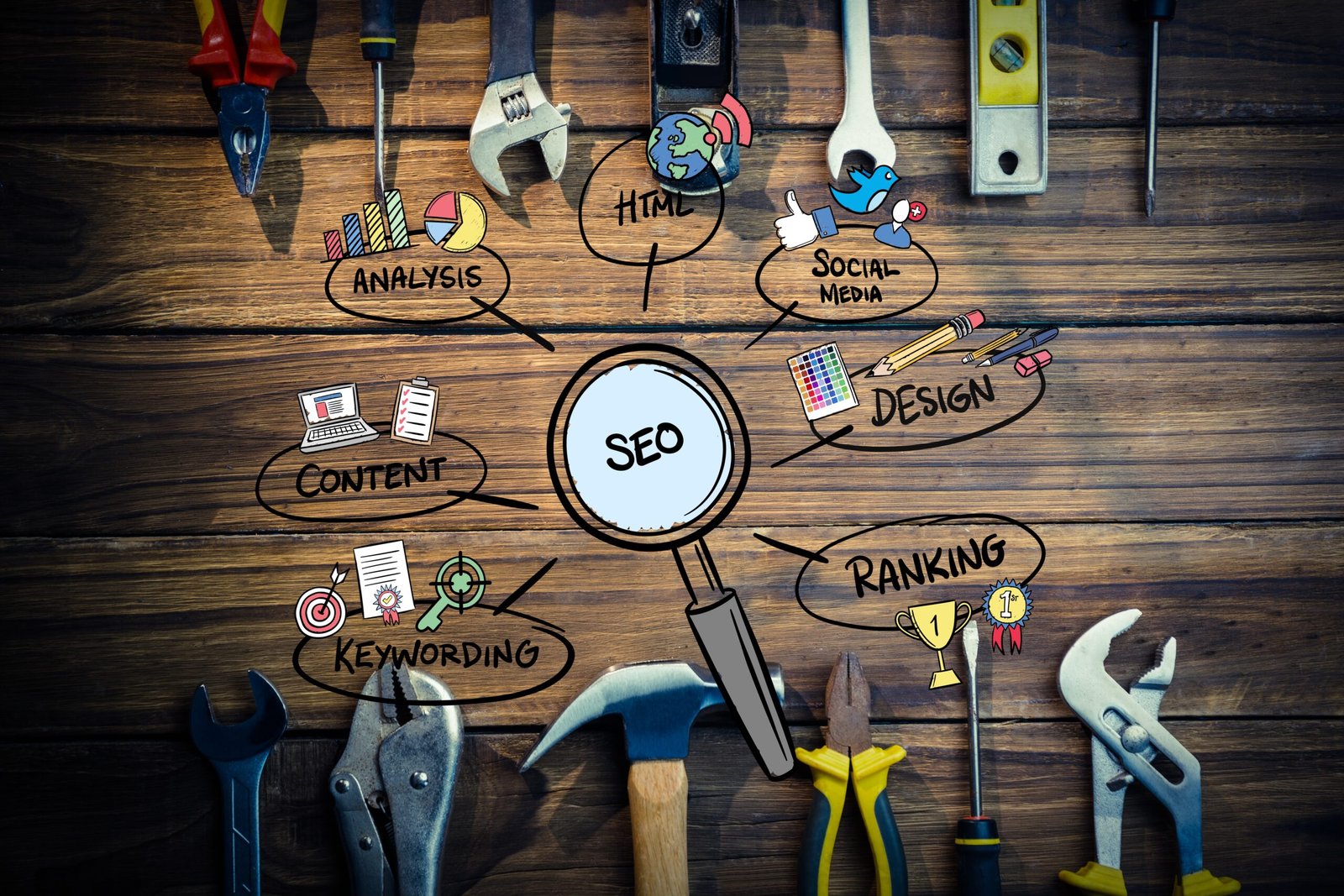
Let’s be real—trying to rank on Google in 2026 without the right SEO tools is like trying to win a Formula 1 race with a bicycle. Sure, you might eventually cross the finish line, but your competitors will have already popped the champagne and taken their victory lap.
Whether you’re a fresh-faced entrepreneur launching your first online venture or a seasoned business owner looking to level up your digital game, choosing the best SEO tools for 2025 and beyond isn’t just important—it’s absolutely critical. The search landscape evolves faster than fashion trends, and what worked yesterday might be obsolete tomorrow.
I’ve spent years testing, breaking, and occasionally cursing at various SEO tools, and I’m here to share the real deal about which ones actually move the needle. No fluff, no affiliate-driven nonsense—just honest insights about the tools that can genuinely transform your search visibility.
Why SEO Tools Matter More Than Ever in 2026
Before we dive into the specific tools, let’s talk about why you actually need them. Google’s algorithm has become incredibly sophisticated, processing over 8.5 billion searches daily. The competition for visibility is fiercer than ever, and manual SEO work simply doesn’t cut it anymore.
Modern SEO tools help you understand what your audience is searching for, how your competitors are winning, and what technical issues might be holding your site back. They turn guesswork into data-driven strategy, saving you countless hours and potentially thousands of dollars in wasted effort.
Comprehensive Keyword Research Tools
Semrush: The Swiss Army Knife of SEO
When it comes to all-in-one SEO platforms, Semrush consistently tops the list. This powerhouse tool offers extensive keyword research capabilities, competitor analysis, site auditing, and rank tracking all in one dashboard.
What makes Semrush particularly valuable is its keyword magic tool, which generates thousands of keyword variations based on a single seed keyword. You can filter by search intent, keyword difficulty, and search volume, making it incredibly easy to find low-hanging fruit opportunities.
The competitive research features are equally impressive. You can see exactly which keywords your competitors rank for, analyze their backlink profiles, and even spy on their paid advertising strategies. For businesses operating in competitive niches, this intelligence is invaluable.
Semrush works well for both beginners and advanced users, though the pricing reflects its premium positioning. Plans start around $139 per month, which might seem steep, but the ROI typically justifies the investment when used properly.
Ahrefs: The Backlink Authority
Ahrefs built its reputation on having the most comprehensive backlink index in the SEO industry, and it continues to excel in this area. The tool crawls over 8 billion web pages daily, providing near real-time data about who’s linking to your site and your competitors.
Beyond backlinks, Ahrefs offers robust keyword research through its Keywords Explorer feature. You can discover thousands of keyword ideas, see accurate search volumes, and understand how difficult it would be to rank for specific terms. The content gap analysis tool is particularly clever, showing you keywords your competitors rank for that you don’t.
One feature that sets Ahrefs apart is its Content Explorer, which helps you find the most popular content in any niche based on social shares and backlinks. This makes content ideation significantly easier and more strategic.
The interface is clean and intuitive, making complex data easy to understand. Pricing starts at $129 per month, positioning it similarly to Semrush in terms of investment required.
Google Keyword Planner: Free and Fundamental
Don’t sleep on Google’s own keyword research tool. While it’s primarily designed for Google Ads campaigns, Keyword Planner provides valuable insights directly from the source—Google itself.
The tool shows you average monthly search volumes, competition levels, and suggested bid prices for keywords. While it doesn’t offer the depth of paid tools, it’s incredibly useful for validating keyword ideas and understanding seasonal trends.
For businesses just starting with SEO or operating on tight budgets, Google Keyword Planner provides solid foundational data at zero cost. The main limitation is that search volume ranges become more specific only when you’re running active ad campaigns.
Technical SEO and Site Audit Tools
Screaming Frog SEO Spider: The Technical Powerhouse
Technical SEO issues can silently kill your rankings, and Screaming Frog helps you identify them before they cause damage. This desktop application crawls your website like a search engine would, flagging issues such as broken links, duplicate content, missing meta descriptions, and redirect chains.
The free version allows you to crawl up to 500 URLs, which is sufficient for smaller websites. The paid version removes this limitation and adds advanced features like JavaScript rendering and scheduled crawls.
What I appreciate most about Screaming Frog is its depth. You can integrate it with Google Analytics and Search Console for enhanced data analysis, and export everything to spreadsheets for detailed reporting. It’s not the prettiest tool, but it’s incredibly powerful for technical audits.
Google Search Console: Essential Free Intelligence
Google Search Console is non-negotiable for any serious SEO effort. This free tool shows you exactly how Google sees your website, which queries trigger your pages in search results, and what technical issues might affect your rankings.
The performance report reveals which keywords drive traffic to your site, along with impressions, clicks, and average positions. This data is gold for understanding what’s working and where opportunities exist. The coverage report identifies indexing issues, mobile usability problems, and security concerns.
Setting up Search Console takes about five minutes, and ignoring it is essentially leaving money on the table. Every website owner should have this running continuously.
PageSpeed Insights: Speed Optimization Made Simple
Site speed directly impacts both user experience and rankings. PageSpeed Insights analyzes your website’s loading performance and provides specific recommendations for improvement.
The tool uses real user data when available and generates a performance score based on various metrics including Largest Contentful Paint, First Input Delay, and Cumulative Layout Shift. Each issue comes with clear explanations and actionable fixes.
While PageSpeed Insights is free and valuable, it’s worth noting that obsessing over perfect scores isn’t always necessary. Focus on the recommendations that genuinely improve user experience rather than chasing a perfect 100.
Content Optimization and Analysis Tools
Surfer SEO: Data-Driven Content Creation
Surfer SEO has revolutionized content optimization by analyzing top-ranking pages and providing clear guidelines for creating competitive content. The tool examines factors like word count, keyword density, heading structure, and semantic terms used by top performers.
The Content Editor provides a real-time score as you write, showing whether your content meets the benchmarks for ranking in your target position. It’s like having an SEO expert looking over your shoulder, but less annoying.
Surfer also includes a content audit feature for optimizing existing pages and an outline generator for planning comprehensive content structures. The pricing starts at around $89 per month, making it accessible for serious content creators and businesses.
Clearscope: Semantic SEO Simplified
Clearscope takes a slightly different approach to content optimization, focusing heavily on semantic relevance and topic comprehensiveness. The tool analyzes top-ranking content and identifies important terms and concepts you should include to compete effectively.
What makes Clearscope valuable is its emphasis on natural content creation. Rather than keyword stuffing, it encourages covering topics thoroughly with relevant terminology. The platform also offers Google Docs and WordPress integrations, streamlining the content creation workflow.
The pricing is higher than some alternatives, starting around $170 per month, but teams producing significant content volumes often find the investment worthwhile.
Rank Tracking and Monitoring Tools
SE Ranking: Affordable All-in-One Solution
SE Ranking offers comprehensive rank tracking combined with keyword research, site auditing, and competitor analysis at more affordable pricing than enterprise-level tools. This makes it particularly attractive for small businesses and agencies managing multiple clients.
The rank tracker monitors your positions across different search engines and locations, with the ability to track competitor rankings simultaneously. Automatic email reports keep you informed about significant changes without constant manual checking.
While SE Ranking doesn’t have the massive databases of tools like Semrush or Ahrefs, it provides sufficient data for most businesses at prices starting around $49 per month.
SERPWatcher by Mangools: Simple and Effective
For those who find complex SEO platforms overwhelming, SERPWatcher offers beautifully simple rank tracking with just the essential features. The interface is clean and intuitive, making it easy to monitor your progress at a glance.
The Performance Index provides a single metric summarizing your overall ranking performance, which is useful for quick status checks and reporting to stakeholders who don’t need granular data. Daily ranking updates ensure you catch changes quickly.
SERPWatcher is part of the Mangools suite, which includes other useful tools like KWFinder for keyword research. Bundle pricing starts at around $49 per month, offering solid value for the feature set.
Link Building and Outreach Tools
Pitchbox: Streamlined Outreach at Scale
Building high-quality backlinks remains crucial for SEO success, and Pitchbox helps manage the outreach process efficiently. The platform automates much of the tedious work involved in link building campaigns while maintaining personalization.
Features include contact discovery, email sequence automation, follow-up management, and detailed reporting. The integration with SEO tools like Ahrefs and Moz allows for seamless prospecting based on link quality metrics.
Pitchbox is geared toward agencies and serious link builders, with pricing that reflects its professional positioning. However, the time savings and improved conversion rates typically justify the investment for those actively pursuing link building.
BuzzStream: Relationship-Focused Link Building
BuzzStream takes a relationship-centric approach to link building and outreach. The platform helps you discover relevant websites, manage contact information, track conversations, and measure campaign performance.
What distinguishes BuzzStream is its emphasis on building genuine relationships rather than just acquiring links. The tool tracks all your interactions with prospects, ensuring no one falls through the cracks and allowing for long-term relationship development.
The reporting features clearly demonstrate the value of link building efforts, showing acquired links, domain authority improvements, and outreach conversion rates. Pricing starts around $24 per month for basic plans.
Choosing the Right Tools for Your Needs
With so many excellent SEO tools available, the question becomes: which ones should you actually invest in? The answer depends on your specific situation, budget, and goals.
For beginners or small businesses with limited budgets, start with free tools like Google Search Console, Google Analytics, and Google Keyword Planner. These provide solid foundational data without financial commitment. Add in the free version of Ubersuggest or the limited free features of other tools to expand your capabilities.
As your business grows and SEO becomes more central to your strategy, investing in a comprehensive platform like Semrush or Ahrefs makes sense. These tools pay for themselves quickly when you consider the time saved and insights gained.
For content-focused businesses, adding specialized tools like Surfer SEO or Clearscope can significantly improve content performance and ranking velocity. The data-driven approach these tools enable often results in faster results and better ROI from content investments.
Making Your SEO Tool Stack Work Together
The most successful SEO strategies don’t rely on a single tool but rather use multiple tools that complement each other. Your Search Console data might reveal keyword opportunities that you research more deeply in Ahrefs. Those insights inform content creation, which you optimize using Surfer SEO. After publication, you track rankings with SE Ranking and identify technical issues with Screaming Frog.
This integrated approach ensures you’re covering all aspects of SEO—technical health, content quality, keyword targeting, and link building. No single tool does everything perfectly, so smart tool selection creates a system where each component enhances the others.
The Bottom Line on SEO Tools for 2026
The best SEO tools for 2025 and 2026 are those that match your specific needs, budget, and skill level. Don’t feel pressured to immediately invest in every tool mentioned here. Start with foundations, prove ROI, then expand your toolkit strategically.
Remember that tools are just that—tools. They provide data and insights, but success ultimately depends on how you use that information to create better content, improve user experience, and build authority in your niche. The fanciest hammer in the world won’t build a house without a skilled carpenter wielding it.
Focus on mastering one or two core tools before adding others. Deep expertise with a few platforms beats surface-level knowledge of everything. Most importantly, maintain a testing mindset. The SEO landscape continues evolving, and the tools that work best tomorrow might differ from today’s favorites.
Choose wisely, test consistently, and keep your focus on creating genuine value for your audience. That’s the SEO strategy that never goes out of style, regardless of which tools you use to execute it.