

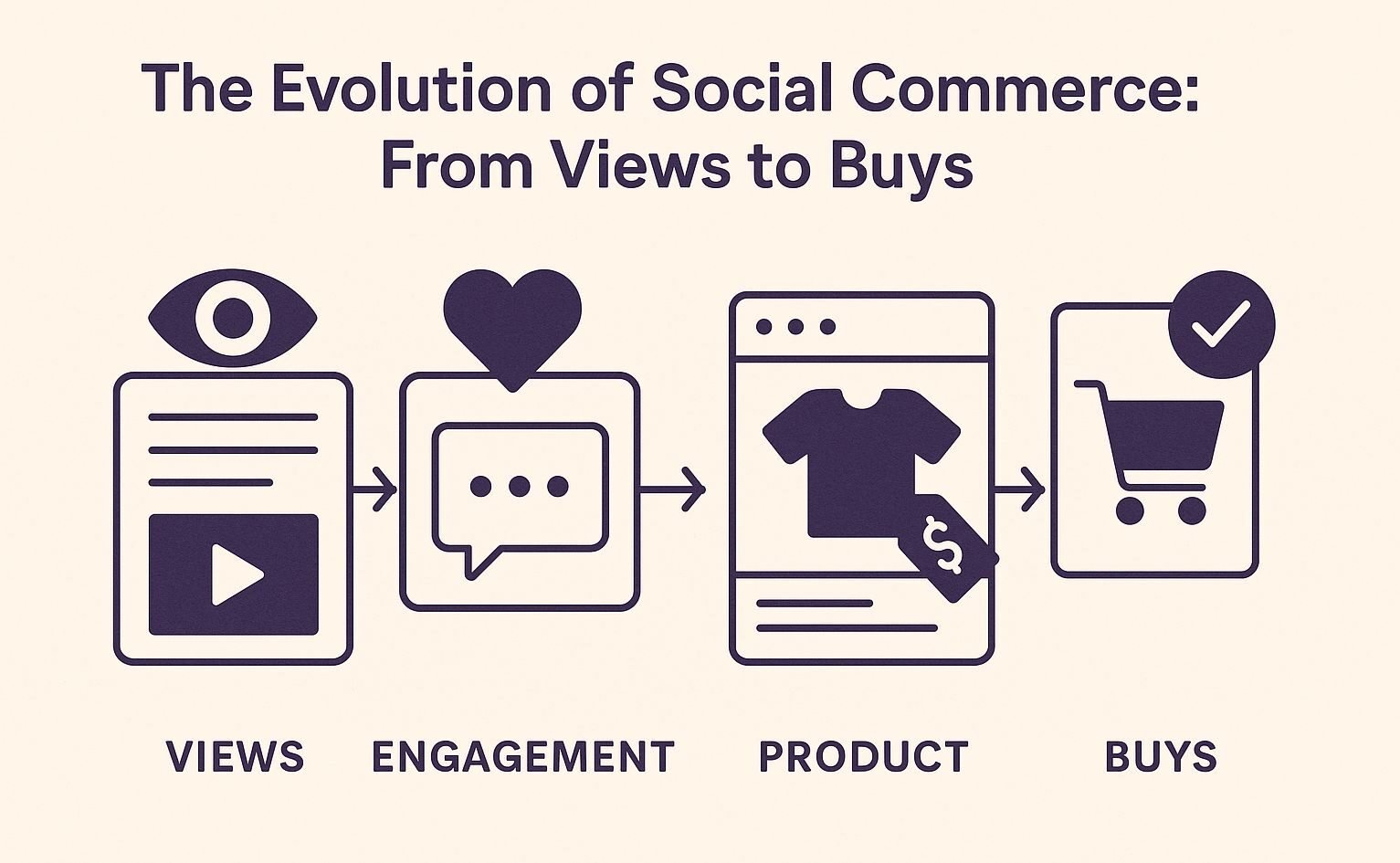
Let’s be real—when was the last time you scrolled through Instagram without seeing something you wanted to buy? That cute vintage jacket, those sustainable sneakers, or maybe that viral kitchen gadget everyone’s been raving about? Welcome to the wild world of social media online shopping, where your favorite apps have transformed from simple communication tools into full-blown shopping malls.
And honestly? It’s kind of genius.
What’s the Deal with Social Media Shopping?
Here’s the thing: social media shopping isn’t just some fancy trend that’ll disappear next quarter. It’s fundamentally changing how we discover, evaluate, and purchase products. Think about it—traditional online shopping meant opening a separate browser, typing in what you wanted, and hoping for the best. Now? You’re casually watching Stories, see something cool, tap twice, and boom—it’s yours.
Social shopping platforms have cracked the code on something marketers have been trying to figure out forever: how to make shopping feel less like a chore and more like an experience. They’ve turned browsing into entertainment and purchasing into a social activity. Pretty wild when you think about it.
The Evolution of Shopping Media: From Mall Rats to App Addicts
Remember when “going shopping” meant actually going somewhere? Now we’re all shopping in our pajamas at 2 AM, influenced by creators we’ve never met but somehow trust completely. The shift from traditional e-commerce to social commerce platforms represents one of the biggest retail transformations since, well, the internet itself.
What makes social media online shopping different is the context. You’re not in “shopping mode”—you’re in relaxation mode, entertainment mode, or procrastination mode (we’ve all been there). Products appear naturally within content you’re already consuming, recommended by people whose taste you’ve come to appreciate. It’s shopping without the pressure, discovery without the effort.
The Major Players in Social Shopping Platforms
Instagram Shopping: The Visual Powerhouse
Instagram basically wrote the playbook for modern social media shopping. With over 2 billion monthly active users, it’s become the go-to platform for brands that understand aesthetics matter. The app’s shopping features are seamlessly integrated—product tags in posts and Stories, a dedicated Shop tab, and Instagram Checkout that keeps you in-app throughout the entire purchase journey.
What’s brilliant about Instagram’s approach is how they’ve made shopping feel native to the platform. You’re not being bombarded with ads (well, not entirely). Instead, products are woven into the content ecosystem. That outfit your favorite influencer is wearing? Tap the tag, see the price, buy it without ever leaving the app. It’s frictionless commerce at its finest.
For businesses, Instagram offers robust tools for showcasing products through high-quality imagery, Reels, and Stories. The platform’s visual nature makes it perfect for fashion, beauty, home decor, and lifestyle brands. Plus, the ability to leverage influencer partnerships and user-generated content creates authentic social proof that traditional advertising could never match.
TikTok Shop: The New Kid That’s Crushing It
If Instagram is the cool older sibling, TikTok is the energetic younger one who showed up and immediately changed the game. TikTok Shop has exploded faster than anyone predicted, and for good reason. The platform’s algorithm is scary-good at showing you things you didn’t know you needed, and when combined with shoppable content, it becomes a conversion machine.
What makes TikTok’s shopping media approach unique is the entertainment factor. Products aren’t just displayed—they’re demonstrated, reviewed, and integrated into genuinely entertaining content. A 30-second video can show you why you need something, how to use it, and what results to expect, all while making you laugh. That’s powerful.
The “TikTok made me buy it” phenomenon isn’t just a meme—it’s a real economic force. Products can go from zero to sold-out in hours thanks to viral videos. For businesses and creators, TikTok Shop offers opportunities for live shopping events, affiliate marketing, and direct product integration that feels natural within the platform’s fast-paced content style.
Facebook Marketplace and Shops: The OG Social Seller
Don’t sleep on Facebook just because your parents are on it. With Marketplace and Facebook Shops, the platform has created a massive ecosystem for both individuals and businesses to sell products. Facebook’s advantage lies in its enormous user base and sophisticated targeting capabilities—they know more about consumer behavior than probably any other platform.
Facebook Shops allows businesses to create customizable storefronts directly on their pages, making it easy for customers to browse collections and make purchases. The integration with Instagram (since they’re family) means you can manage inventory and sales across both platforms from one place. Pretty convenient for businesses juggling multiple social shopping platforms.
Marketplace, meanwhile, has become the modern classified ads section, particularly strong for local sales, second-hand items, and unique finds. It’s where social media online shopping meets community commerce, creating opportunities for individuals to monetize their unused items and for shoppers to score deals.
Pinterest: The Underrated Shopping Powerhouse
Pinterest might not get the hype of TikTok or Instagram, but it’s quietly dominating in shopping media, especially for home decor, fashion, and DIY products. Here’s why: people come to Pinterest with intent. They’re actively looking for ideas, inspiration, and solutions—which makes them way more receptive to product discovery.
Pinterest’s visual search capabilities are next-level. See a lamp you love in a photo? Use Pinterest Lens to find similar products instantly. The platform’s “Shop the Look” pins and product pins turn inspiration into action seamlessly. For businesses, Pinterest offers a unique advantage—content has a much longer shelf life than on other platforms, with pins continuing to drive traffic months after posting.
YouTube Shopping: Long-Form Meets Commerce
YouTube has entered the social shopping platforms arena with features that leverage what it does best: long-form, detailed content. Product links in video descriptions have been around forever, but YouTube Shopping takes it further with integrated shopping experiences during videos and live streams.
The platform is particularly effective for products that benefit from detailed explanations, tutorials, or reviews. Tech gadgets, beauty products, and anything requiring demonstration excel on YouTube. The trust factor is huge here—viewers often spend significant time with creators, building relationships that translate to purchase confidence.
Why Social Media Shopping Works So Damn Well
The Power of Social Proof
Here’s a truth bomb: we’re all influenced by what other people think. Social media shopping leverages this psychological reality brilliantly. When you see a product endorsed by someone you follow, reviewed by real users, or featured in content from trusted creators, it carries weight that traditional advertising simply can’t match.
User-generated content, reviews, and ratings integrated directly into social shopping platforms provide the social proof that drives purchase decisions. It’s the digital equivalent of asking your friend if something’s worth buying—except your “friend” might be a creator with thousands of followers who tried it first.
The Discovery Factor
Traditional online shopping requires you to know what you’re looking for. Social media online shopping flips this script—it introduces you to products you didn’t know existed but suddenly can’t live without. The algorithm serves up products based on your interests, behaviors, and preferences, creating personalized shopping experiences that feel almost magical.
This discovery-driven approach is gold for brands, especially smaller or newer ones. A viral post or video can provide visibility that would cost millions in traditional advertising. For shoppers, it means constantly encountering fresh products and brands that align with their interests.
Seamless Experience
The genius of modern social shopping platforms is removing friction from the buying process. Every extra click, every need to switch apps or tabs, every moment of hesitation is an opportunity for customers to change their minds. By integrating shopping directly into the social media experience, these platforms minimize barriers to purchase.
One-click checkout, saved payment information, in-app purchases—these features keep momentum going from discovery to purchase. The easier it is to buy, the more likely people are to complete transactions. Simple but effective.
Entertainment Meets Commerce
Shopping on social media doesn’t feel like shopping—it feels like entertainment that happens to include products. Live shopping events create urgency and excitement, unboxing videos generate anticipation, and styling videos demonstrate value. The content is genuinely enjoyable, which keeps people engaged far longer than traditional shopping sessions.
This entertainment aspect also reduces buyer’s remorse. When a purchase is tied to a positive, entertaining experience, people feel better about their spending decisions. They’re not just buying a product—they’re buying into an experience, a community, or a creator’s world.
Strategies for Success in Social Media Online Shopping
For Businesses and Brands
Know Your Platform: Each social shopping platform has its own culture, content style, and user behavior. What works on TikTok won’t necessarily work on Pinterest. Invest time understanding where your target audience hangs out and how they engage with content on that platform.
Content is King (Still): High-quality, authentic content drives engagement and sales. Invest in good photography and videography, but don’t make everything overly polished. Some of the best-performing content feels real and relatable. Show products in use, share behind-the-scenes content, and tell your brand story.
Leverage Influencer Partnerships: Collaborating with creators who align with your brand values can dramatically expand your reach and credibility. Choose partners based on engagement rates and audience alignment rather than just follower counts. Micro-influencers often deliver better ROI than mega-influencers for many brands.
Engage Authentically: Social media is, well, social. Respond to comments, answer questions, and engage with your community. The brands winning at shopping media are those that build relationships, not just push products.
Use Data Intelligently: Social shopping platforms provide incredible analytics. Track what content drives engagement, which products perform best, what times your audience is most active, and adjust strategies accordingly. Let data inform decisions while maintaining creative authenticity.
For Creators and Influencers
Be Selective with Partnerships: Your credibility is your currency. Only promote products you genuinely believe in or have actually used. Your audience can smell inauthentic endorsements from a mile away, and losing trust can tank your entire creator business.
Disclose Partnerships Clearly: Transparency isn’t just legally required—it’s ethically important and actually builds trust. Clear disclosures about sponsored content or affiliate links don’t hurt performance when the endorsement is genuine.
Create Value First: The best shopping content educates, entertains, or inspires first and sells second. Focus on creating content that serves your audience, with product integration feeling natural rather than forced.
Diversify Revenue Streams: Don’t rely solely on brand partnerships. Explore affiliate marketing, your own product lines, and multiple social shopping platforms to build sustainable income.
The Future of Social Shopping Platforms
Augmented Reality Shopping
AR try-on features are becoming standard across shopping media platforms. Being able to virtually “try on” makeup, see how furniture looks in your space, or visualize how clothes might fit removes major purchase barriers for online shopping. As AR technology improves and becomes more accessible, expect it to become central to the social media online shopping experience.
Live Shopping Evolution
Live shopping events, huge in Asian markets, are growing rapidly in Western markets. The combination of real-time interaction, limited-time offers, and entertainment creates urgency that drives impressive conversion rates. Platforms are investing heavily in live shopping infrastructure and features.
AI-Powered Personalization
Artificial intelligence is making social shopping platforms smarter at predicting what you’ll want before you know you want it. Expect increasingly sophisticated recommendation engines, chatbots that can answer product questions instantly, and personalized shopping experiences that adapt in real-time.
Integrated Loyalty Programs
The future likely includes loyalty programs and rewards systems integrated directly into social shopping platforms, creating incentives for repeat purchases and deeper platform engagement.
Cryptocurrency and NFT Integration
Some platforms are experimenting with cryptocurrency payments and NFT products, potentially opening new possibilities for digital ownership and exclusive digital products alongside physical goods.
Navigating Challenges in Social Media Shopping
Building Trust
With new brands popping up constantly on social shopping platforms, establishing credibility is crucial. Encourage reviews, showcase user-generated content, and be transparent about shipping times, return policies, and product limitations.
Managing Customer Service
Social media shopping means customer service happens publicly. Respond quickly to inquiries and complaints, and handle issues professionally. Good customer service on social platforms can turn complainers into advocates.
Standing Out in Crowded Feeds
With everyone competing for attention on shopping media platforms, creativity and consistency are essential. Develop a distinctive visual style, unique voice, and content approach that makes your brand recognizable.
Protecting Against Scams
Unfortunately, the rise of social media online shopping has also brought scams and counterfeit products. For businesses, protect your brand by monitoring for fake accounts and counterfeit listings. For shoppers, verify seller credibility, read reviews carefully, and be cautious with too-good-to-be-true deals.
Practical Tips for Shoppers
Do Your Research: Just because something looks amazing in a video doesn’t mean it’s right for you. Check reviews on multiple platforms, search for the product name plus “review” on YouTube or Google, and verify seller credibility.
Understand Return Policies: Before buying, know what you’re getting into. Can you return items? Who pays return shipping? What’s the timeframe? Social shopping platforms vary widely in their policies.
Set Budgets: The ease of social media shopping can lead to impulse purchases. Set spending limits and stick to them. Use wish lists or save features to give yourself time before purchasing.
Use Price Comparison Tools: Just because you found it on Instagram doesn’t mean that’s the best price. Quick searches can sometimes reveal the same item for less elsewhere.
Read the Fine Print: Understand what you’re actually buying. Check dimensions, materials, and shipping details carefully. That “giant” bean bag might be much smaller than it appears in that video.
The Bottom Line
Social media online shopping isn’t replacing traditional e-commerce—it’s evolving it into something more dynamic, engaging, and integrated into our daily lives. Social shopping platforms have transformed how products are discovered, evaluated, and purchased, creating opportunities for businesses of all sizes and changing consumer behavior in fundamental ways.
For businesses and creators, success in shopping media requires authenticity, quality content, strategic platform selection, and genuine audience engagement. For shoppers, it offers unprecedented convenience, discovery, and access to products and brands that might otherwise remain unknown.
The intersection of social interaction and commerce creates powerful possibilities. As technology advances and platforms continue innovating, social media shopping will only become more seamless, personalized, and central to retail’s future.
Whether you’re building a business, growing a creator career, or just someone who enjoys discovering cool products while scrolling through your feed, understanding social commerce platforms and how they work gives you a serious advantage in this new retail landscape.
Now if you’ll excuse me, I just saw the perfect item on my feed that I definitely don’t need but absolutely must have. Such is life in the age of social media online shopping.








Satu Komentar
Very good written post. It will be beneficial to anybody who utilizes it, as well as me. Keep up the good work – i will definitely read more posts.